
Whether you’re a contractor in Chaguanas, a restaurant in San Fernando, a retailer in Arima, or a professional services firm in Port of Spain, your website is often the first impression a customer has of your business.
For many businesses in Trinidad & Tobago, a website is no longer optional. Customers expect to find information online before they call, visit, or request a quotation. Yet choosing a website provider can be confusing. Some companies advertise entry-level packages, others provide fully custom solutions, and the range of pricing, features, and support options can seem overwhelming.
The truth is that not all websites are created equal.
Two providers may advertise similar prices while delivering very different levels of quality, support, security, functionality, ownership, and long-term value.
Before investing in a website for your business, here are ten important questions you should ask.
1. Will I Own My Website?
One of the most important questions a business can ask is also one of the most overlooked.
Before signing any agreement, understand exactly what you will own when the project is complete.
Questions to ask include:
- Will I own the domain name?
- Will I own the website content and images?
- Will I have administrator access
- Can I move the website to another provider if needed?
- Will I receive copies of the website files?
A website should be treated as a business asset. Just as you would expect ownership of your logo, business name, and marketing materials, you should understand the ownership arrangements for your website.
Understanding this from the beginning can help avoid unexpected complications later if your business grows or your needs change.
2. What Is Included in the Price?
Website quotations can look similar on the surface while including very different services.
This is where many businesses unintentionally compare apples to oranges.
When reviewing a proposal, ask whether the quotation includes:
- Website design
- Website development
- Hosting
- Domain registration
- Business email setup
- SSL security certificates
- Search engine optimisation (SEO)
- Content creation
- Stock imagery
- Training
- Ongoing support
A package that appears less expensive may have fewer inclusions, while a higher-priced package may provide significantly more value.
The key is understanding exactly what you’re receiving so you can make informed comparisons.
3. Are There Any Ongoing Costs?
A website is not a one-time purchase.
Most websites have ongoing costs that businesses should understand from the start.
Common recurring expenses may include:
- Domain renewals
- Website hosting
- Maintenance plans
- Security monitoring
- Backup services
- Content updates
- Technical support
Ask your provider to explain all recurring costs clearly before the project begins.
Understanding these costs in advance allows for proper budgeting and eliminates surprises later.
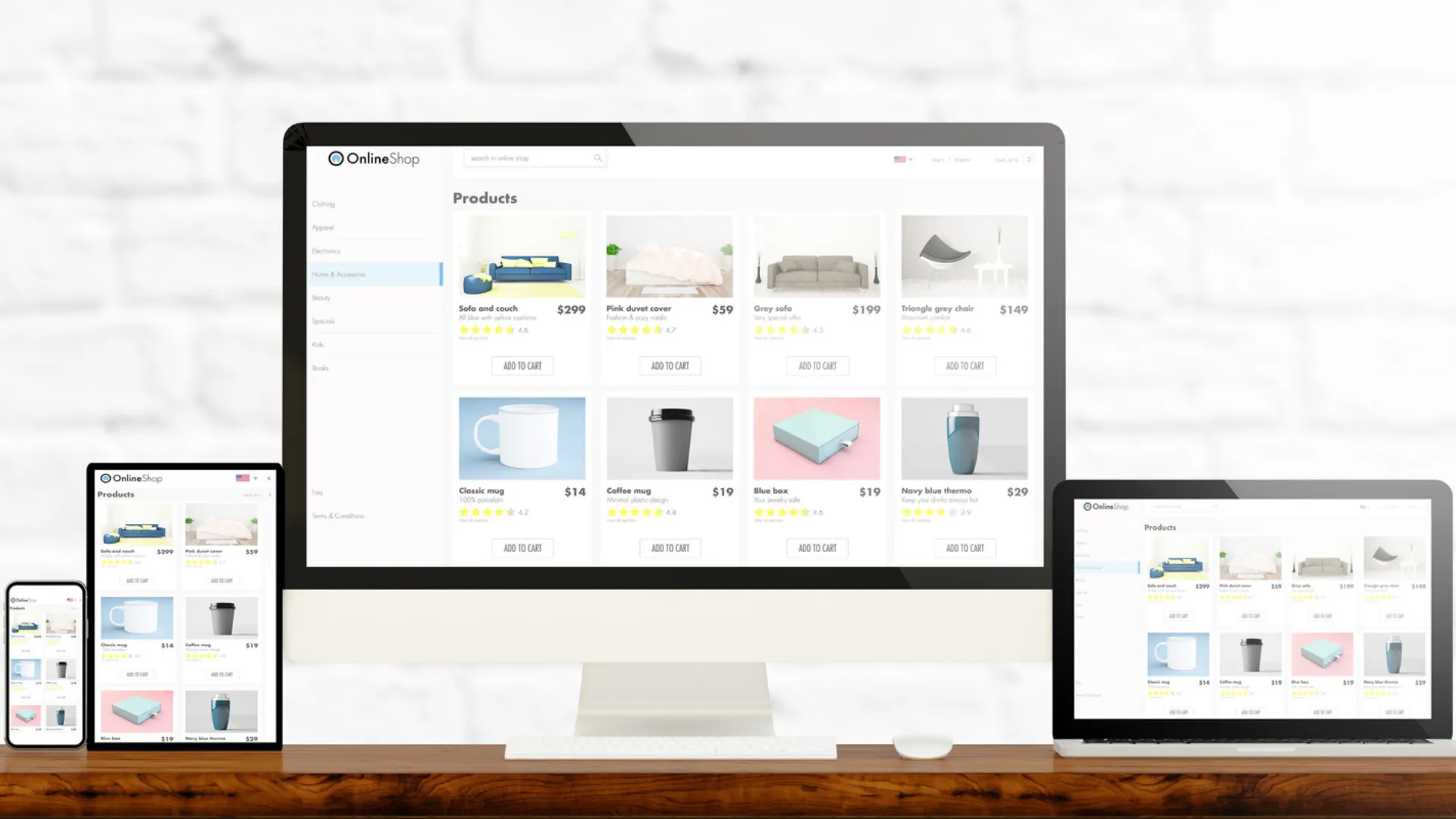
4. Is the Website Mobile Friendly?
The majority of website visitors now browse using smartphones and tablets.
If your website does not work properly on mobile devices, you could be losing potential customers every day.
A professional website should function effectively on:
- Mobile phones
- Tablets
- Laptops
- Desktop computers
Visitors should be able to:
- Read content easily
- Navigate menus
- Submit forms
- Call your business
- Access important information
A mobile-friendly website is no longer a luxury. It is an essential component of modern business.
5. How Will My Business Appear on Google?
Many business owners assume that once a website launches, people will automatically find it online.
Unfortunately, that is not how search engines work.
Ask your website provider:
- Is basic SEO included?
- Will pages have optimized titles and descriptions?
- Will Google Analytics be installed?
- Will Google Search Console be configured?
- Will the website be submitted for indexing?
A website that is properly structured from the start has a stronger foundation for visibility in search engines.
Although SEO is an ongoing process, every website should launch with essential SEO fundamentals already in place.
6. How Fast Will the Website Load?
Website speed matters.
Visitors expect websites to load quickly. If pages take too long to load, many users simply leave and visit a competitor instead.
A slow website can negatively affect:
- User experience
- Search engine rankings
- Lead generation
- Customer trust
Ask your provider what steps they take to improve performance.
Examples include:
- Image optimisation
- Website caching
- Content delivery networks (CDNs)
- Efficient coding practices
- Quality hosting infrastructure
Performance should never be treated as an afterthought.
7. What Security Measures Are Included?
Cybersecurity is a concern for businesses of all sizes.
Many business owners assume attackers only target large organisations. In reality, small business websites are frequently targeted because they often have weaker security practices.
Ask whether the website includes:
- SSL encryption
- Security monitoring
- Software updates
- Firewall protections
- Malware scanning
- Automated backups
Security should be incorporated into the website from day one rather than added after a problem occurs.
The cost of prevention is typically far lower than the cost of recovering from a compromise.
8. What Happens After the Website Goes Live?
The launch of a website is not the end of the journey.
Websites require ongoing attention to remain effective.
Ask questions such as:
- Is training available?
- Who updates the website?
- How are backups handled?
- Is technical support available?
- How quickly are problems addressed?
- Are maintenance plans offered?
Many businesses focus heavily on launch day and overlook what happens afterwards.
A good provider should be able to explain how your website will be supported over the long term.
9. Can the Website Grow With My Business?
The needs of your business today may be very different from your needs two years from now.
A professional website should be built with growth in mind.
Future requirements might include:
- Additional service pages
- E-commerce functionality
- Online booking systems
- Customer portals
- Membership areas
- Marketing integrations
- CRM integrations
Building on a solid foundation can reduce future costs and help your website evolve alongside your business.
10. How Will This Website Help Generate Enquiries?
A website should do more than simply look attractive.
The ultimate purpose of a business website is to support business objectives.
Ask your provider:
- How will visitors contact us?
- How will we generate leads?
- How will customers request quotations?
- How will we measure success?
An effective website should guide visitors toward action.
That could be:
- Making a phone call
- Completing a contact form
- Booking a consultation
- Requesting a quotation
- Making a purchase
Attractive design is important, but results matter even more.
Choosing the Right Website Partner
A business website is more than just an online brochure. It is often the first interaction potential customers have with your company and can influence whether they choose to make contact.
While website packages may appear similar at first glance, the details often make a significant difference. Ownership, support, security, search visibility, ongoing maintenance, and future scalability all contribute to the long-term value of a website.
Before making a decision, take the time to ask questions, understand exactly what is being offered, and choose a solution that supports your long-term business goals.
Request a Free Website Review
Not sure if your website is helping or hurting your business?
Qwerty Technical Solutions offers free website reviews for businesses throughout Trinidad & Tobago.
Whether you’re considering a redesign, evaluating your current website, or planning a new online presence, we’re happy to provide an independent review and professional feedback.
Contact us today to request your free website review or fill out this form.